TikTok is a very popular form of social media and many people use TikTok as a source for “news” for natural disasters, public emergencies, and elections. Information spreads quickly on TikTok and can mislead people and cause chaos. Teaching people how to manage and deal with misinformation will help reduce the harm misinformation causes.
My target audience is College Students age 18-24 who are the main age range that use TikTok for information and news. This age group is ideal because they are heavy users of TikTok and other short-form video platforms. They are often in a stage of life where they are developing critical media literacy skills and they are most likely to see information first and spread it without fact checking before engaging with a post.
https://www.captechu.edu/blog/tiktok-and-war-misinformation
TikTok’s Role in Spreading Misinformation: Users post videos and short clips to draw attention and views. Most things are posted with the intent of getting people to interact and share the content. TikTok is a form of income for many users on the app, the more popular a video is the more interactions through comments, likes, and shares there are. This benefits the creator directly. Teens and young adults are aware of what gets people going and what interests people. You hear “rage bait” a lot nowadays. Rage bait is online content including videos, comments, and posts. Its designed to deliberately provoke anger and strong reactions to gain attention, engagement, and revenue.
https://www.tiktok.com/discover/rage-bait-example?lang=en
There are rage baiting topics such as politics and conspiracy theories that get people going on TikTok, this is where misinformation starts coming in to the picture, lies start to be told to make people angry and people start to spread this false propaganda and believe it. It can be extremely negative and lead to many people disputing with one another online.
Then there are rage baiting trends like telling football fans that “Taylor put Travis on the map”, or telling athletes “Do you wish you were more athletic” telling people these things would make them so mad and you would secretly record their reactions and upload it for people to laugh at. Its important to understand that there are different types of “Rage baiting”. And the intent isn’t always harmful.
TikTok is a main source for news. When the Titanic submersible imploded videos and conspiracies were all over TikTok. People were posting clips of sounds underwater saying that they heard the people in the submersible asking for help and saying they are trapped. Just for us later to find out that they were never stuck or asking for help and the submersible imploded and they died right away. Nowadays with AI its hard to tell what is real and what is fake. Using AI to fool people and gain traction has become very popular on TikTok.

Governments around the world have banned TikTok due to propaganda, manipulative content, hate speech, and data privacy. During presidential elections many people get information about candidates or spread information about candidates to try and sway people one way. In the 2024 election in Indonesia TikTok was the most powerful platform in helping president elect Prabowo Subianto win his campaign. TikTok has become a primary outlet for candidates to reach new and existing audiences. On one hand its smart for these canditdates to use an app like TikTok, you are engaging with the young voters who go on this app for information, It’s a great way to get more voters especially the young age range of new voters. Once politicians started to create accounts there started to be a divide on TikTok. There was shade thrown at each side of the political party and videos posted by interns using clips of the other candidate in a bad light.
When you hear someone you like talk badly about another person it’s easy for you to agree with them before you fact check to see if what they are saying is true or not. Research is so important, believing a he said she said is not beneficial and leads to the spread of misinformation.
Many people can argue that this is good that teenagers and young adults are getting information about news and big events going on in the world. But with how misinformation is spreading on TikTok it’s important to be aware of the source and the information before spreading it further. I use TikTok more than any app on my phone and I was subject to believe a lot of the news that I see online, Now with this thought of fake news, AI, Misinformation in mind I do a lot more research online when I see a post before I believe it right away. I keep in mind that most times people post things to generate revenue and stir the pot, and that they don’t have the viewers best intentions at heart. While this can be true on almost any social media app, TikTok is the most used app in the age range of 18-24, this is the age range of people that are still learning media literacy skills and are quick to believe things without doing their research.
This College level audience has the skills to read articles and do deep dives to find the correct sources needed to feel confident that a post, video, or article is factual.
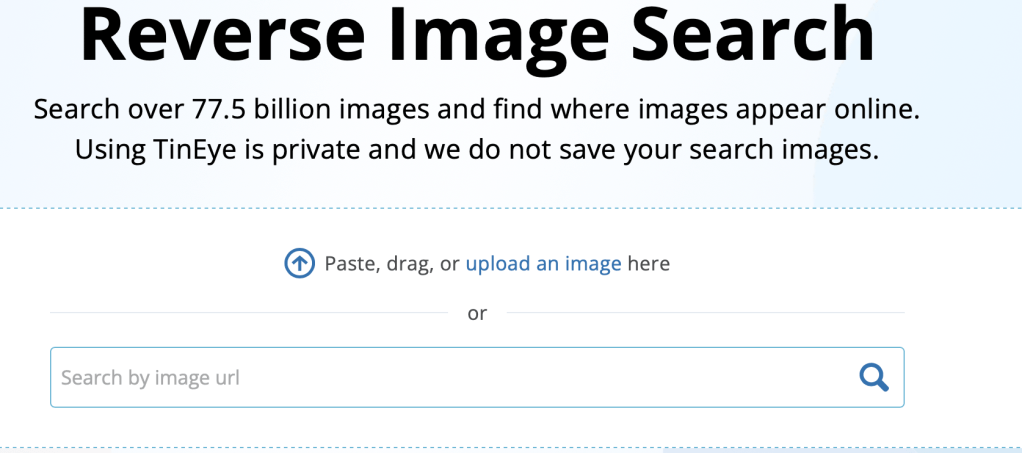
Questions to ask: Who is giving the advice or posting? What is their background? Are they a reliable source? Are they backing up their ideas and thoughts with data?
If we took time out of our days to do some research and educate others on how to stop the spread of misinformation users on TikTok and other social medias would benefit tremendously.



 Diving Into the Deep End of Baseball